

By Finny Raju Houston
Some of the most heartbreaking things I have witnessed in ministry were not public failures, church scandals, or people openly attacking Christianity. It was watching young people slowly disappear from the church.

As a pastor’s son, I was born and raised in church. Church was never just a Sunday routine for me—it was life. I grew up attending prayer meetings, conventions, revival services, youth gatherings, and late-night family prayers. I have seen genuine miracles. I have seen lives transformed. I have seen the beauty of faith firsthand. But I have also seen something painful that many churches are unwilling to openly discuss.
I still remember seeing certain young people who once led worship, played instruments, and filled church altars with tears during prayer meetings quietly disappear over time. There are faces I still remember—young people who were once deeply involved in ministry but are nowhere to be found today. That reality has stayed with me.
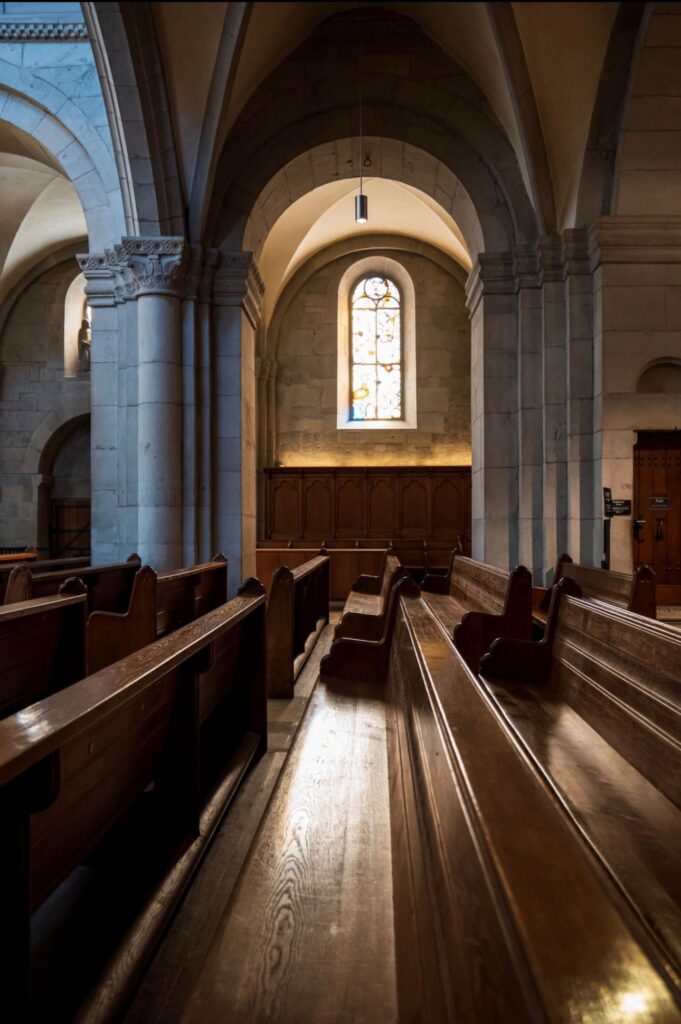
They didn’t always leave after one major incident. They didn’t always make dramatic announcements. Most of the time, they left quietly. One missed service became many missed services. One unanswered hurt became deeper wounds. One disappointment slowly turned into complete disconnection. Eventually, they were gone.
Over the years, through ministry involvement and media work, I’ve had private conversations with young people who once deeply loved God but no longer feel connected to the church. Some felt ignored. Some felt judged. Some were tired of church politics. Some struggled after watching people get opportunities because of relationships rather than character. Others were silently battling depression, anxiety, loneliness, addiction, family struggles, and identity issues while pretending everything was fine every Sunday.
Many of them were not walking away from God. They were walking away from hurt. That truth is difficult to admit, but it is real.
In many Pentecostal churches today, we are excellent at organizing large conferences, conventions, revival meetings, and events. We celebrate crowds, successful programs, and social media growth. But are we truly noticing the people quietly hurting in our own pews? Are we creating safe spaces where young people can ask difficult questions? Are we listening before correcting?
This generation is facing battles previous generations never experienced. Social media pressure, comparison, mental health struggles, isolation, and fear about the future are realities many young people face every day. They do not need constant criticism. They need mentors. They need understanding. They need leaders who genuinely care.
Jesus was always drawn to hurting people. He listened to people others ignored. He showed compassion before correction. He restored broken lives. The church should reflect that same heart.
I am not writing this because I have lost faith in the church. I still believe the church is God’s plan. I still believe the church changes lives. But I also believe we need honest conversations.
If we continue celebrating full auditoriums while ignoring empty hearts, we may wake up one day and realize an entire generation quietly slipped away while we were too busy to notice.
Sometimes the empty seats in church tell stories no one wants to talk about.
And sometimes revival begins when we stop talking long enough to truly listen.